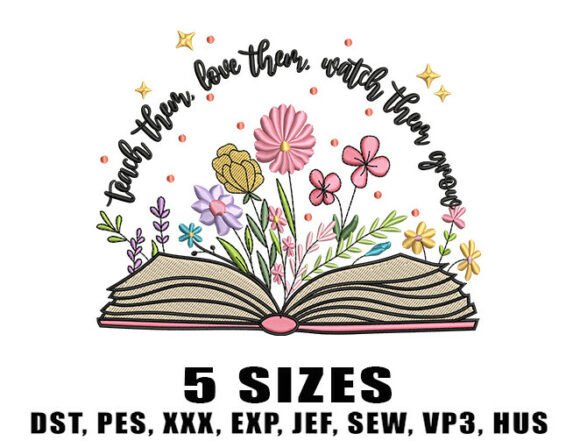
Teacher Wildflowers Embroidery Design
As a designer and embroidery product reviewer, I’ve seen my fair share of machine embroidery designs. But when I first laid eyes on Teacher Wildflowers, I knew it had the potential to be more than just another file in a digital library. It’s a design that feels alive, with a personality that can elevate a wide range of projects. From custom apparel to home decor, this design has a unique charm that’s hard to ignore.
The First Impression: A Touch of Whimsy
Teacher Wildflowers immediately catches the eye with its soft, flowing lines and natural aesthetic. The composition is balanced yet free-spirited, making it ideal for projects that need a touch of character without being overwhelming. The wildflower theme suggests a connection to nature, simplicity, and creativity—qualities that resonate well with both personal and commercial uses.
The design doesn’t lean too heavily into detail, which is a smart choice. It allows for flexibility in different fabric types and project scales. Whether you’re stitching a baby onesie or a holiday gift, the layout adapts well. It’s not overly complex, which means it won’t require excessive stitch density or multiple hooping sessions.
Real-World Use: Where Does Teacher Wildflowers Shine?
One of the first scenarios I imagined was using Teacher Wildflowers on a custom tote bag design. The size and shape of the design make it perfect for a mid-sized hoop, allowing for clear stitching without overcrowding the space. When stitched onto a cotton tote, the design adds a cheerful, artistic touch that feels handmade but professional.
It also works well on sweatshirt embroidery. The wildflower motif gives a subtle, elegant look that complements casual wear. For small business owners, this could be a great addition to an Etsy shop or craft fair booth. The design’s simplicity makes it easy to pair with other elements, like text or borders, without clashing.
For baby items, such as onesies or blankets, Teacher Wildflowers offers a gentle, whimsical feel. It’s not too bold, which is important for baby products that need to be soothing and safe. The design would also make a lovely embroidered patch, adding a personalized touch to backpacks or jackets.
Where to Be Cautious: Practical Considerations
While Teacher Wildflowers is versatile, there are some situations where it might not perform as well. If you’re working with small hoop sizes, the design may need to be split or resized, which could affect the overall look. On textured fabrics or thin materials, the stitches might not show up as clearly, so testing on scrap fabric is essential.
Stretchy fabrics can also be a challenge. The design’s fill areas might pucker or distort if not stabilized properly. Using the right stabilizer and adjusting the tension settings can help maintain the integrity of the design. Similarly, on dark fabrics, the thread colors need to contrast well to ensure visibility and vibrancy.
When it comes to curved surfaces like caps or hats, the design might require some adjustment to fit the contour. Tiny details or intricate corners could get lost if the stitch density is too high. It’s worth experimenting with different thread colors and stitch types, such as satin stitch or running stitch, to see what works best.
Impact on Visual Appeal and Customer Perception
Teacher Wildflowers adds a sense of authenticity to any finished product. It’s the kind of design that feels handcrafted, even when produced on a machine. This can significantly boost the perceived value of a handmade product or a custom apparel item. Customers often gravitate toward designs that feel personal and meaningful, and this one does just that.
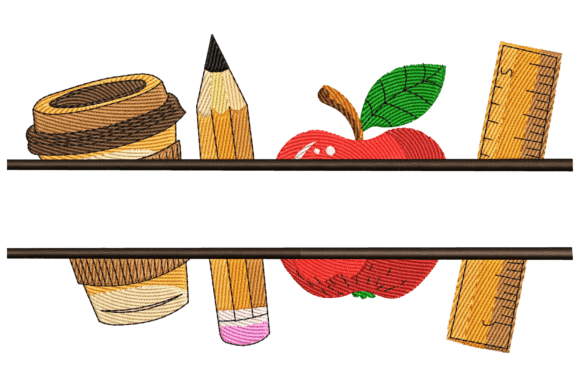
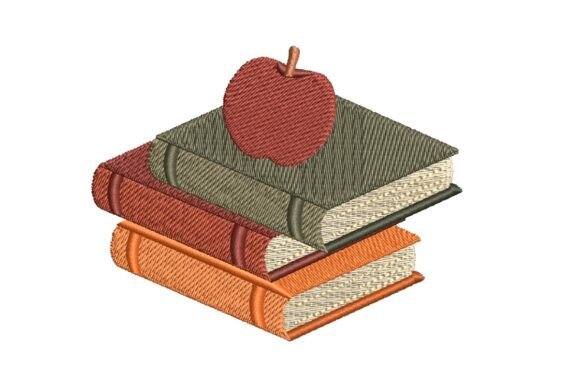
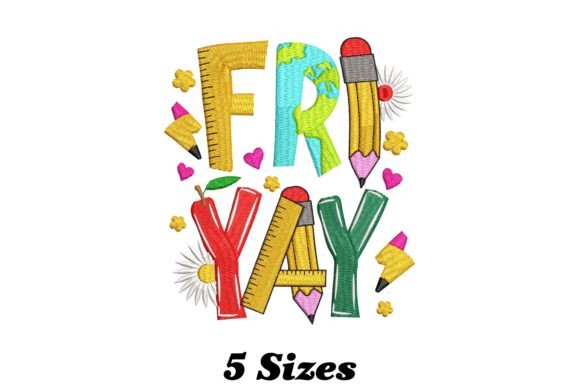
From a branding perspective, the design fits well into a school-themed collection or a nature-inspired line. It can be used across various product types, helping to create a cohesive brand identity. For Etsy sellers or small shop owners, having a design that’s both functional and visually appealing can make a big difference in customer engagement and repeat sales.
Designer Notes: What to Keep in Mind
Before committing to a project, I always recommend testing the design on scrap fabric. This helps you understand how the stitches will look on your chosen material and whether the thread colors work well together. Checking the stitch density is also crucial—too dense, and the fabric might pucker; too light, and the design might look incomplete.
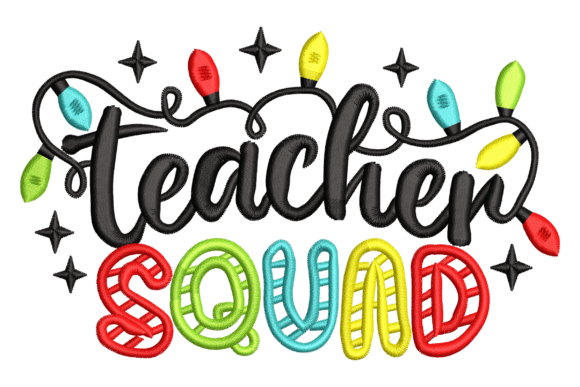
Make sure the hoop size is appropriate for the design. If you’re planning to use it on a larger project, consider whether the design can be scaled or split without losing its visual appeal. Also, review the small details—like any lettering or fine lines—to ensure they’ll hold up under real-world conditions.
Testing the design in black and white mockups can help you see how it will look on different fabric backgrounds. Comparing it on light and dark fabrics can reveal any issues with visibility or contrast. And don’t forget about the stabilizer—using the right type can make all the difference in the final result.
Finally, confirm whether the design is suitable for both personal and commercial use. If you’re selling finished items or digital products, check the licensing terms to avoid any legal issues down the line.
Final Thoughts: A Versatile and Lovable Design
Teacher Wildflowers is a design that brings a fresh, artistic energy to any embroidery project. It’s not just a pretty image—it’s a tool that can enhance the look and feel of a wide range of products. Whether you’re a hobbyist, a small business owner, or a professional designer, this design has the potential to become a go-to asset in your creative toolkit.
With thoughtful application and attention to detail, Teacher Wildflowers can turn ordinary items into something special. It’s a reminder that sometimes, the simplest designs can have the biggest impact.